Mosquitoes! Who are they?
Mosquitoes are small flying insects best known for their biting behavior and ability to transmit diseases. Although often seen as a nuisance, mosquitoes play a significant role in global ecosystems and public health.
Mosquitoes are considered the deadliest animals in the world—not because of their size or aggression, but because they transmit diseases such as malaria, dengue, chikungunya, and Japanese encephalitis
Scientific Classification
Mosquitoes belong to the biological family Culicidae.
Their scientific classification is:
Kingdom: Animalia
Phylum: Arthropoda
Class: Insecta
Order: Diptera (true flies)
Family: Culicidae
The order Diptera includes insects that have two wings, which is a defining feature of flies.
Within the Culicidae family, there are more than 3,500 known species worldwide.
The three Most deadliest mosquito species
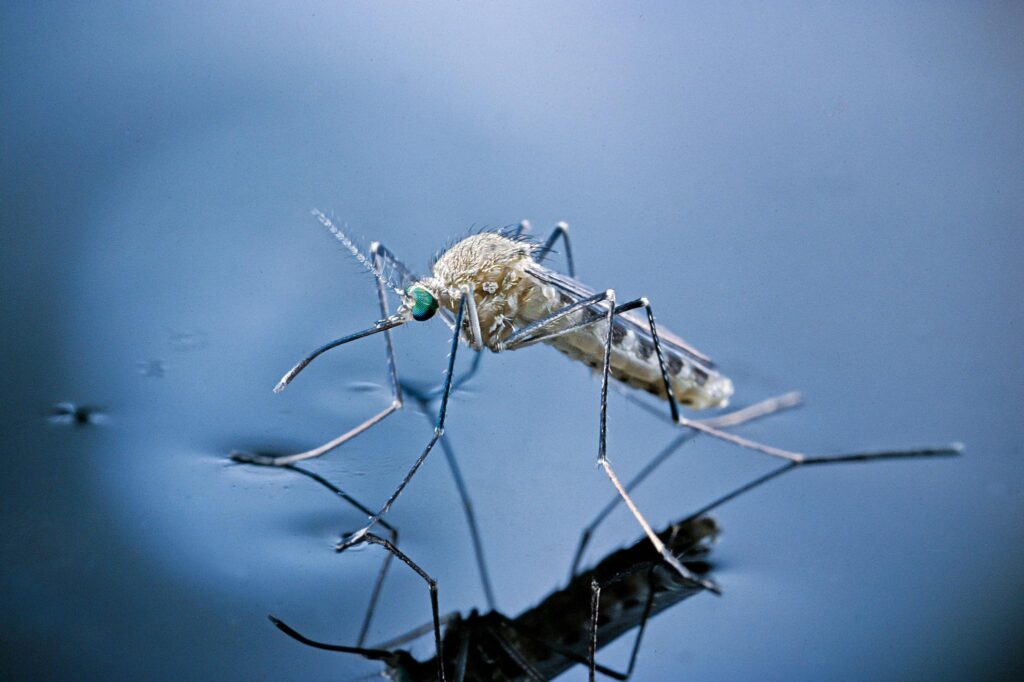
Anopheles Mosquito
Primary vector of malaria
Distinct resting posture (body at an angle)
Clear wings with spotted patterns
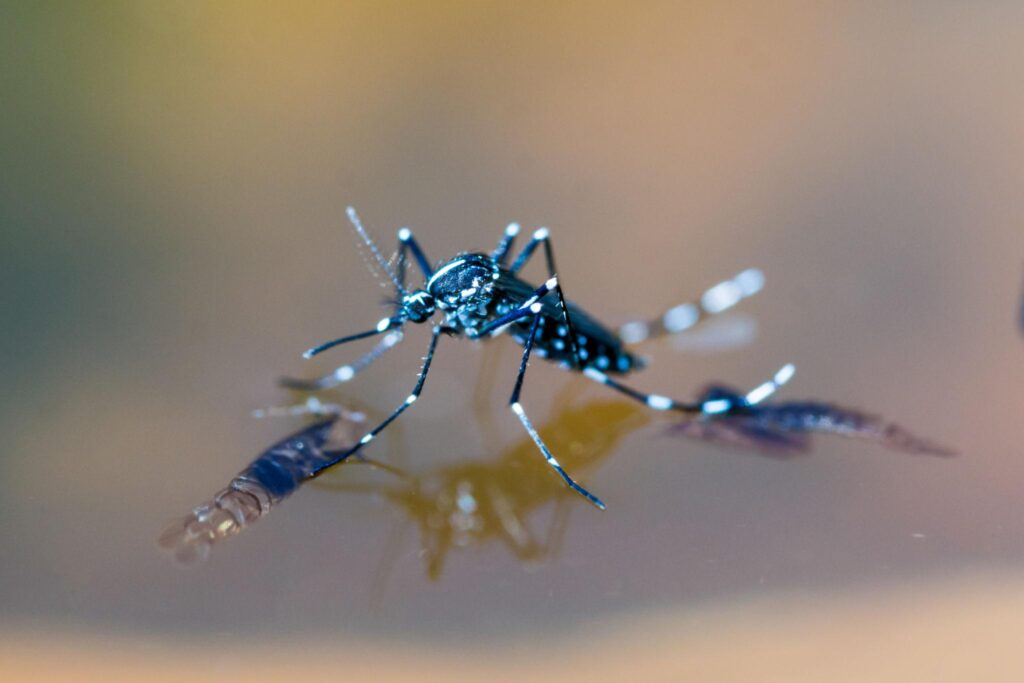
Aedes Mosquito
Day-biting species
Spread dengue, chikungunya, Zika
Often has white stripes on legs and body
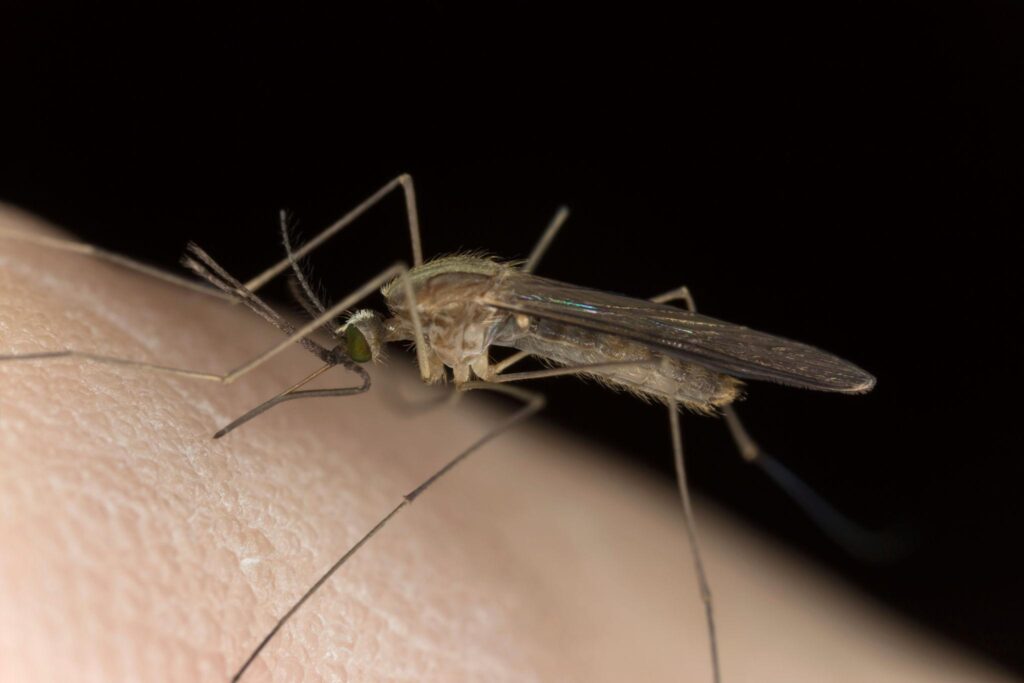
Culex Mosquito
Night-biting species
Transmits Japanese encephalitis & filariasis
Generally brownish, less striking markings
Legacy of Mosquitoes
Mosquitoes are ancient insects. Fossil evidence suggests they have existed for over 100 million years, dating back to the age of dinosaurs.
Mosquito fossils preserved in amber show that their basic body structure has changed very little over millions of years. This indicates that mosquitoes were already well adapted to their environment early in evolutionary history.
Over time, mosquitoes evolved specialized mouthparts (proboscis) capable of piercing skin and drawing blood. This adaptation allowed certain species to become blood feeders, which later contributed to disease transmission cycles.
Their long evolutionary history explains why mosquitoes are highly adaptable and able to survive in diverse climates and environments.